What Fees Are Charged in Equipment Financing?
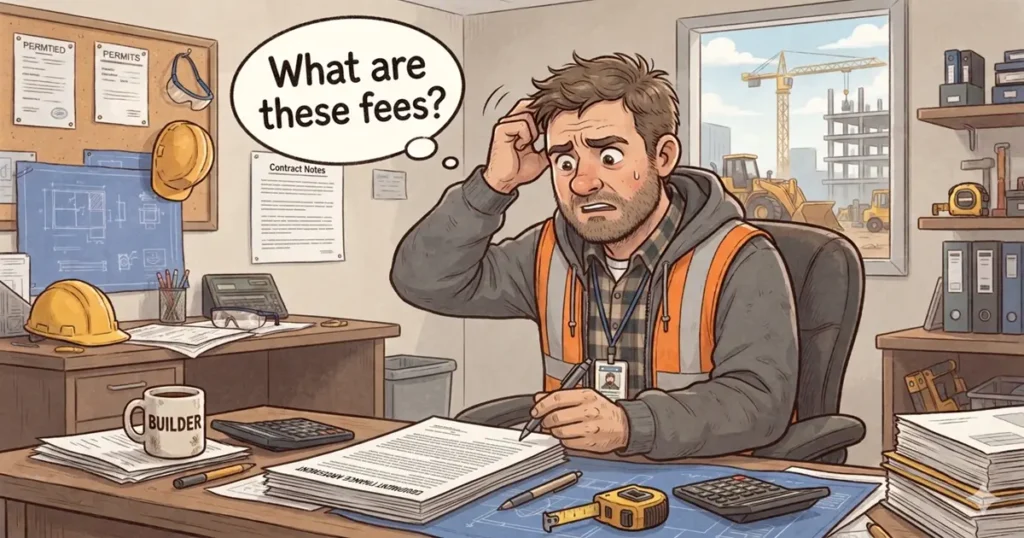
Understanding the Fees in Private Equipment Financing
When you’re financing a piece of equipment, the interest rate usually gets all the attention. But the rate is only part of the story. Fees can add to the total cost of a deal, and they’re not always explained up front. Knowing what to look for helps you compare offers accurately and avoid surprises.
Here’s a breakdown of the fees you’re likely to encounter with private equipment financing.
Upfront Fees
Origination or underwriting fee. This covers the lender’s work to review, approve, and fund your deal. It may be a percentage of the amount financed or a flat fee.
Documentation fee. A flat charge for preparing the contract and related paperwork.
Application or credit check fee. Not every lender charges one, but some do for processing your application or pulling credit.
UCC filing fee. Lenders typically file a UCC-1 financing statement to record their security interest in the equipment. The state charges a filing fee, and lenders will typically pass that fee along to the customer.
Title and lien filing fees. If you’re financing titled equipment such as trucks or trailers, expect costs related to recording the lender’s lien on the title.
Broker Fees?
If you are getting private equipment financing through a broker, in most cases, a broker should not be charging you a broker fee. Brokers get paid commission from the lender, & virtually all private lenders that we have come across do not allow brokers to charge a separate broker fee/finder’s fee, etc., to customers. If you are doing private financing and a broker sends you a bill, stop and contact the lender to confirm if they pay commission to the broker, and if the broker is allowed to charge a broker fee to you.
Ongoing Fees During the Term
Late payment fees. Usually a percentage of the payment or a flat amount, applied after a grace period. Check how long the grace period is.
Returned payment (NSF) fees. Charged if an ACH draft or check doesn’t clear.
Insurance requirements. Lenders almost always require you to insure the equipment and name them as loss payee. If you don’t provide proof of coverage, some lenders will purchase insurance on your behalf and bill you, often at a higher cost than you’d pay on your own.
Taxes. Depending on the structure and your state, sales or property taxes may be billed through the lender, particularly on leases.
End-of-Term and Exit Costs
This is where deals differ the most, and where many borrowers get caught off guard.
Prepayment penalties and early payoff terms. If you pay off your financing early, what happens? Some contracts charge a penalty. Some require you to pay all remaining interest regardless of when you pay off, using methods like the “rule of 78s” or “sum of the digits,” which front-load interest so early payoff saves you far less than you’d expect. Others offer a discount for paying early. Two deals with identical rates can have very different real costs depending on these terms.
Buyout fees. On a lease, how you take ownership at the end varies. Some leases have a $1 buyout, some a fixed percentage of the original cost, and some a fair market value purchase option, which can be hard to predict.
Return and inspection fees. With a true lease, you may owe charges for excess wear, condition, or shipping the equipment back.
Lien release or title transfer fees. Small administrative costs to clear the lender’s lien after your final payment.
How to Compare Offers Accurately
- Ask for all fees in writing. Get an itemized list of every fee, including ones that apply later in the term.
- Look at the total cost, not just the rate. A lower rate with higher fees can cost more than a slightly higher rate with minimal fees.
- Find out whether fees are rolled into the financed amount. Financing your fees means paying interest on them too.
- Get the early payoff terms before you sign. If your business grows or cash flow improves and you want to pay the loan off early, you’ll want to know exactly what that costs, or saves. Most private equipment finance agreements do not offer a discount if paid in full early, or if they do, it is usually very minimal.
- Understand the end-of-term process. Know what it takes to own the equipment outright, or to return it.
Why Transparency Matters
Equipment financing is a significant commitment, and the details are in the fine print. A trustworthy lender or broker will walk you through every fee, explain how early payoff works, and answer questions plainly, without making you dig for the answers. If an offer looks great on the surface but the person presenting it is vague about costs, that’s worth pausing on.
At EFS, full disclosure of fees and early payoff structures is a core part of how we do business, because you can’t make a good financing decision without the full picture.
Ready to look at equipment financing? Reach out and we’ll help you understand exactly what you’re agreeing to before you commit. Click on the Call button in the footer below to speak to a Finance Specialist.
Disclaimer
The fees described in this article are common examples and are not a complete list of every charge you may encounter in equipment financing. Fee types, amounts, and terms vary by lender, by the type of equipment, and by the structure of each deal, and some lenders may charge fees not covered here.
This article is provided for general informational purposes only and is not legal, tax, or financial advice. Always review your financing agreement carefully, and reach out to your lender’s finance representative directly if you have questions about specific fees, early payoff terms, prepayment penalties, or end-of-term requirements. The lender’s written terms are what govern your agreement.